Living near pine flat woods and wetland areas have made unexpected wildlife visits part of a normal existence. Recently these two sandhill cranes found my bird feeders and started making them a regular stopping place.
They are sensitive birds that don't adjust well to the disappearing marshes, prairies and pastures. Since they eat both plant and animal matter, their diet consists of seeds, berries, insects, mice, snakes, lizards, frogs, and crayfish. However, they do not fish for food. Florida sandhill cranes stay with the same mate for years and they live up to 20 years. They can be up to 4 foot tall and they have a distinctive trumpeting sound that can be heard for miles.
In 2002, the Florida Fish and Wildlife Conservation Commission made it illegal to feed sandhill cranes. They can become aggressive toward people, become more susceptible to cat and dog attacks, more susceptible to being killed by lawn pesticides and vehicles, and their diet is disrupted when they constantly eat corn and bird seed.
So, although I miss them, as well as, the cardinals, doves, and other birds that often visited, my bird feeders now stay empty to discourage return visits that may put them at risk.
Thursday, September 30, 2010
Saturday, September 18, 2010
Marie Selby Botanical Gardens
Marie Selby Botanical Gardens is a non profit organization specializing in tropical plants. The gardens have more than 20,000 plants, including a collection of over 6,000 orchids, with many of the plants collected by research staff during tropical rain forest expeditions.
Distinct garden areas display a lush rain forest, koi pond, bamboo garden, banyan grove, cactus garden, a collection of Cyclades, and an outdoor butterfly garden.
Visitors begin the journey through the conservatory and proceed through the plant displays.
Bill and Marie Selby built the 2-story, Spanish style house (the first floor is now a cafe) on the property in the early 1920s where Marie began landscaping. Despite their wealth they lived a modest life in the small home and pursued outdoor activities instead of social gatherings.
Marie lived quietly in the home, after her husband's death in 1956, until her death in 1971. Her final wish to leave the property as a botanical garden was fulfilled in 1975 when the Marie Selby Botanical Gardens opened to the public.
The gardens have since expanded to almost 13 acres and now include an elegant mansion that houses a museum, eight greenhouses, and the headquarters for The Bromeliad Identification Center, The Orchid Identification Center and the Selby Gardens' Herbarium. Thus, Selby Gardens is both a research/education center and a beautiful showplace.
Distinct garden areas display a lush rain forest, koi pond, bamboo garden, banyan grove, cactus garden, a collection of Cyclades, and an outdoor butterfly garden.
Bill and Marie Selby built the 2-story, Spanish style house (the first floor is now a cafe) on the property in the early 1920s where Marie began landscaping. Despite their wealth they lived a modest life in the small home and pursued outdoor activities instead of social gatherings.
Marie lived quietly in the home, after her husband's death in 1956, until her death in 1971. Her final wish to leave the property as a botanical garden was fulfilled in 1975 when the Marie Selby Botanical Gardens opened to the public.
Selby Gardens is located at 811 South Palm Avenue in Sarasota, Florida. It is open daily from 10 a.m. to 5 p.m., except Christmas. Admission is $17 for adults and $6 for children 6-11. Members enjoy free admission.
Wednesday, August 25, 2010
Sanibel Island
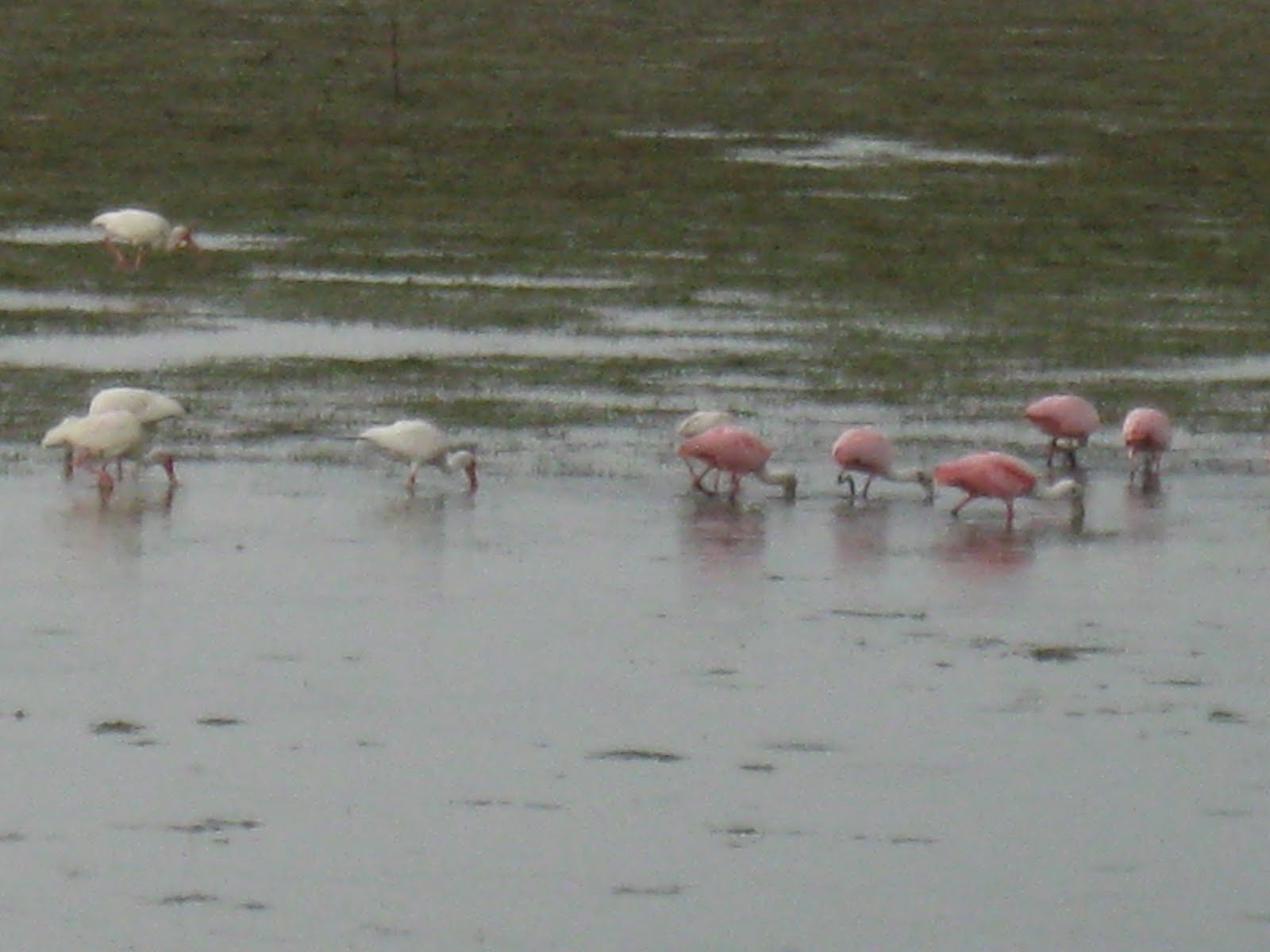
People come from all over the world to enjoy the shell-rich beaches of Sanibel. What makes Sanibel Island ideal for shelling is the east-west orientation of the south end of the island. This natural land barrier easily captures shells from the swift moving waters. On the eastern tip of the island is the Lighthouse Beach and Fishing Pier. In addition to the historic functioning lighthouse and a fishing pier, the beach is one of the great places on the island to walk your dog.From the outer beaches to the interior sanctuaries, wildlife abounds on Sanibel. J.N. "Ding" Darling National Wildlife Refuge, named for Pulitzer Prize cartoonist and environmentalist Jay Norword Darling, is home to hundreds of birds, reptiles, and mammals. The four-mile drive provides spectacular up-close views of native vegetation and wildlife. One of the most popular activities during the leisurely drive is to stop and watch the roseate spoonbills with their bright pink feathers.
Labels:
beaches,
Florida,
history,
nature,
off the beaten path,
sanctuaries,
wildlife
Friday, August 20, 2010
Fisherman's Village
Fisherman's Village is an eclectic waterfront complex. For the day tripper, a unique variety of boutiques, shops, restaurants, day spa and a military museum awaits. Vacation villas overlooking the harbor and a full service marina are also on site.
The boutiques offer everything from beachwear and Florida casual (tee shirts and flip flops) to resort wear. In the gift shops, you'll find an assortment of art, collectibles, bath and body, novelties, pet accessories, souvenirs, toys and water sport apparel and equipment. One of the most unique shops is Fuse Weld Grind owned by Joe and Mackie Clifton. Joe is a "recycle" artist who recycles old farming implements, garden tools, kitchen utensils, propane tanks, rebar and more to create unusual yet beautiful works of art, animal sculptures and bird baths, human sculptures, planters, wind chimes and more.
The restaurants vary from sandwich shops, to casual, open air and even fine dining. Several offer a great view of Charlotte Harbor and with the waterfront location, it is no surprise that seafood is the main draw at many of them. Near the entrance, the Military Heritage Museum has artifacts from the Spanish-American War up to the recent Iraqi conflict. Admission is free, but donations are welcome to enable this non profit organization to continue their mission of promoting the military heritage of the Unites States and the sacrifices of veterans. Their web site domain name says it all: "freedomisntfree.org."
The boutiques offer everything from beachwear and Florida casual (tee shirts and flip flops) to resort wear. In the gift shops, you'll find an assortment of art, collectibles, bath and body, novelties, pet accessories, souvenirs, toys and water sport apparel and equipment. One of the most unique shops is Fuse Weld Grind owned by Joe and Mackie Clifton. Joe is a "recycle" artist who recycles old farming implements, garden tools, kitchen utensils, propane tanks, rebar and more to create unusual yet beautiful works of art, animal sculptures and bird baths, human sculptures, planters, wind chimes and more.
Fisherman's Village is located one mile west of U.S. 41 on Marion Avenue in Punta Gorda, Florida.The boutiques and shops are open Monday through Saturday 10am - 6pm and Sunday 12pm - 5pm but restaurant hours vary.
Labels:
day tripper,
Florida,
gifts,
museum,
off the beaten path,
shopping,
unique
Saturday, August 14, 2010
The Butterfly Estates
The glass conservatory showcases an assortment of tropical flowers and plants that attract a variety of butterflies and small waterfalls that cascade down into fish-filled pools of water. Although small, it is a unique interaction with nature best enjoyed in cooler weather.
Three historic homes from the early 1900s have also been renovated to reflect Old Florida charm as the Flutterby's Cafe, Mother Nature's Gift Shop and Caterpillars Ice Cream & Fudge Factory.
The Butterfly Estates is open 365 days a year with hours varying by season. Admission is priced by age with available discounts listed on their website.
Labels:
butterflies,
museum,
nature,
tourist attraction
Saturday, July 17, 2010
Octagon Wildlife Sanctuary
If you're visiting or live in Southwest Florida and love animals, put the Octagon Wildlife Sanctuary on your list of places to visit. Bears, lions, tigers, and leopards are some of the more than 200 exotic animals you'll see and your admission fee will go towards the care of these beautiful creatures.
The wildlife sanctuary, located off Highway 31 on Horseshoe Road in Charlotte County, is open to the public on Saturdays and Sundays from 11 a.m. until 4 p.m. However, guided tours or weekday visits require advance appointments by calling 239-543-1130. Admission is $10 for adults, $5 for seniors (55 and older)and children ages 8 to 17. Children under age 7 are free with a paying adult. 
If you're unable to visit the wildlife sanctuary in person, please visit their website to learn more about the sanctuary and how to help with donations.
Monday, July 5, 2010
Marjorie Kinnan Rawlings Historic State Park
Marjorie Kinnan Rawlings Historic State Park is described in the state park brochure as an inspirational literary landmark. For a writer, it is indeed.
This famous author moved to Cross Creek in 1928 where she lived in her cracker style home for 25 years and wrote The Yearling, a Pulitzer prize novel. Both her house and farm yard have been restored to the original period and designated as a National Historic Landmark in 2007. Additionally, the US Postal Service released a Rawlings commemorative stamp in 2008 and Florida's governor honored her as a First Floridian in March 2009.
Visitors to her homestead are greeted at the barn by rangers,dressed in 1930s period clothes and knowledgeable about her stories and her farm life, for guided tours through the farmhouse from October through July.
The farm yard is also maintained as it was in 1930s complete with chickens and ducks and a garden bearing seasonal flowers, fruits and vegetables while the citrus grove still yields its annual crop.
Two trails lead into surrounding woods where bald eagles, sand hill cranes and deer as well as smaller creatures make their home. The tenant house is tucked between the grove and woods and is a restored tenant house moved from the neighboring Brice family home. It resembles the original Rawlings tenant house where both black and white employees lived while they worked on her farm and in her grove.
History buffs, writers, as well as, nature lovers will truly appreciate this park.
This famous author moved to Cross Creek in 1928 where she lived in her cracker style home for 25 years and wrote The Yearling, a Pulitzer prize novel. Both her house and farm yard have been restored to the original period and designated as a National Historic Landmark in 2007. Additionally, the US Postal Service released a Rawlings commemorative stamp in 2008 and Florida's governor honored her as a First Floridian in March 2009.
Visitors to her homestead are greeted at the barn by rangers,dressed in 1930s period clothes and knowledgeable about her stories and her farm life, for guided tours through the farmhouse from October through July.
Two trails lead into surrounding woods where bald eagles, sand hill cranes and deer as well as smaller creatures make their home. The tenant house is tucked between the grove and woods and is a restored tenant house moved from the neighboring Brice family home. It resembles the original Rawlings tenant house where both black and white employees lived while they worked on her farm and in her grove.
History buffs, writers, as well as, nature lovers will truly appreciate this park.
Labels:
author,
Cross Creek,
Florida,
history,
state park,
The Yearling
Friday, June 25, 2010
Ravine Gardens State Park
Ravine Gardens State Park is located in Palatka where a ravine was formed by water flowing from the ridges of the St. Johns River over a period of thousands of years.
The gardens inside the park are the result of a joint effort of the City of Palatka, the Federal Works Progress Administration, and the Federal Civil Works Administration during the Great Depression. The park is one of nine New Deal-era state parks in Florida developed to help jump start economic recovery during the 1930s. Over 95,000 Azaleas were planted by 1934 and most of the original landscaping features - the main entrance, two suspension bridges, amphitheater, stoned terraces and columns, fountain and the Court of States - are still in place today.
The Ravine Loop, a convenient paved road that winds around the ravine, provides bicyclists and motorists with a view of both the formal and natural gardens throughout the park and gives access to hiking trails, parking, picnic areas and a playground.
The park is most spectacular and alive with color January through April when the Azaleas, Chickasaw Plums, Dogwoods and Camellias are in bloom, but the dense vegetation abounds year round.
Tuesday, June 15, 2010
Devil's Millhopper
Devil's Millhopper is an ancient sink hole located in Gainesville and is Florida's only geological state park.
The name came about because fossilized bones were found at the bottom of the funnel-like or grist-mill-hopper shape. Hence, the idea that the mill hopper fed the ancient bodies to the devil and the sinkhole became known as Devil's Millhopper. An Indian legend says the devil kidnapped a beautiful Indian princess. When the Indian braves followed them, the devil made the sinkhole for the braves to fall into and when they tried to climb out the devil turned them into stone. Although both
tales are great stories, the sinkhole was actually the result of a large underground cavern collapsing and is 500 feet across and 117 feet deep.
The water cascading down the limestone slopes sustains the dense vegetation and provides visitors with a glimpse of times past. Descending 232 steps to the bottom, the different layers of sediment represent different periods of time. At the bottom of the sinkhole some of the water spilling out of the springs above travel down to a natural "drain" leading to the Gulf of Mexico.
This is a unique park that nature lovers will definitely enjoy, especially when the sinkhole is in its Springtime colorful splendor. Just remember that going up 232 steps is a lot harder than going down and take plenty of water when the temperature is above 80 degrees.
The name came about because fossilized bones were found at the bottom of the funnel-like or grist-mill-hopper shape. Hence, the idea that the mill hopper fed the ancient bodies to the devil and the sinkhole became known as Devil's Millhopper. An Indian legend says the devil kidnapped a beautiful Indian princess. When the Indian braves followed them, the devil made the sinkhole for the braves to fall into and when they tried to climb out the devil turned them into stone. Although both
The water cascading down the limestone slopes sustains the dense vegetation and provides visitors with a glimpse of times past. Descending 232 steps to the bottom, the different layers of sediment represent different periods of time. At the bottom of the sinkhole some of the water spilling out of the springs above travel down to a natural "drain" leading to the Gulf of Mexico.
This is a unique park that nature lovers will definitely enjoy, especially when the sinkhole is in its Springtime colorful splendor. Just remember that going up 232 steps is a lot harder than going down and take plenty of water when the temperature is above 80 degrees.
Labels:
Florida,
geological site,
history,
nature,
state parks
Tuesday, June 1, 2010
Edison & Ford Winter Estates
After a recent visit to the Edison and Ford Winter Estates, it is easy to understand why it is one of the most popular historic home sites in the country.
The first thing visitors see from the parking lot is a massive Banyan tree. Harvey Firestone gave this small tree to Thomas Edison in 1925 while they were working with Henry Ford to develop a source of natural rubber.
Behind the Banyan tree is the museum, gift shop, and botanic research laboratory. The museum holds some of Edison's inventions and Ford's automobiles, as well as, educational exhibits and videos. The lab is a step back in time and home to the original tools, equipment and machinery.
Across the street, lined with palm trees that Edison had brought in from Cuba, the estate homes, caretaker homes, gardens, swimming pool, pier, garages, and Edison's office have been restored to their original stature.
Henry Ford's vacation home, "The Mangoes", is located next door. Ford purchased it in 1916 and spent many winters there while also working with Edison on botanic research.
The Edison Ford Winter Estates offers something for both the history buff and the nature lover.
Labels:
Henry Ford,
history,
museum,
nature,
Thomas Edison,
tourist attraction
Subscribe to:
Posts (Atom)